
Excavation
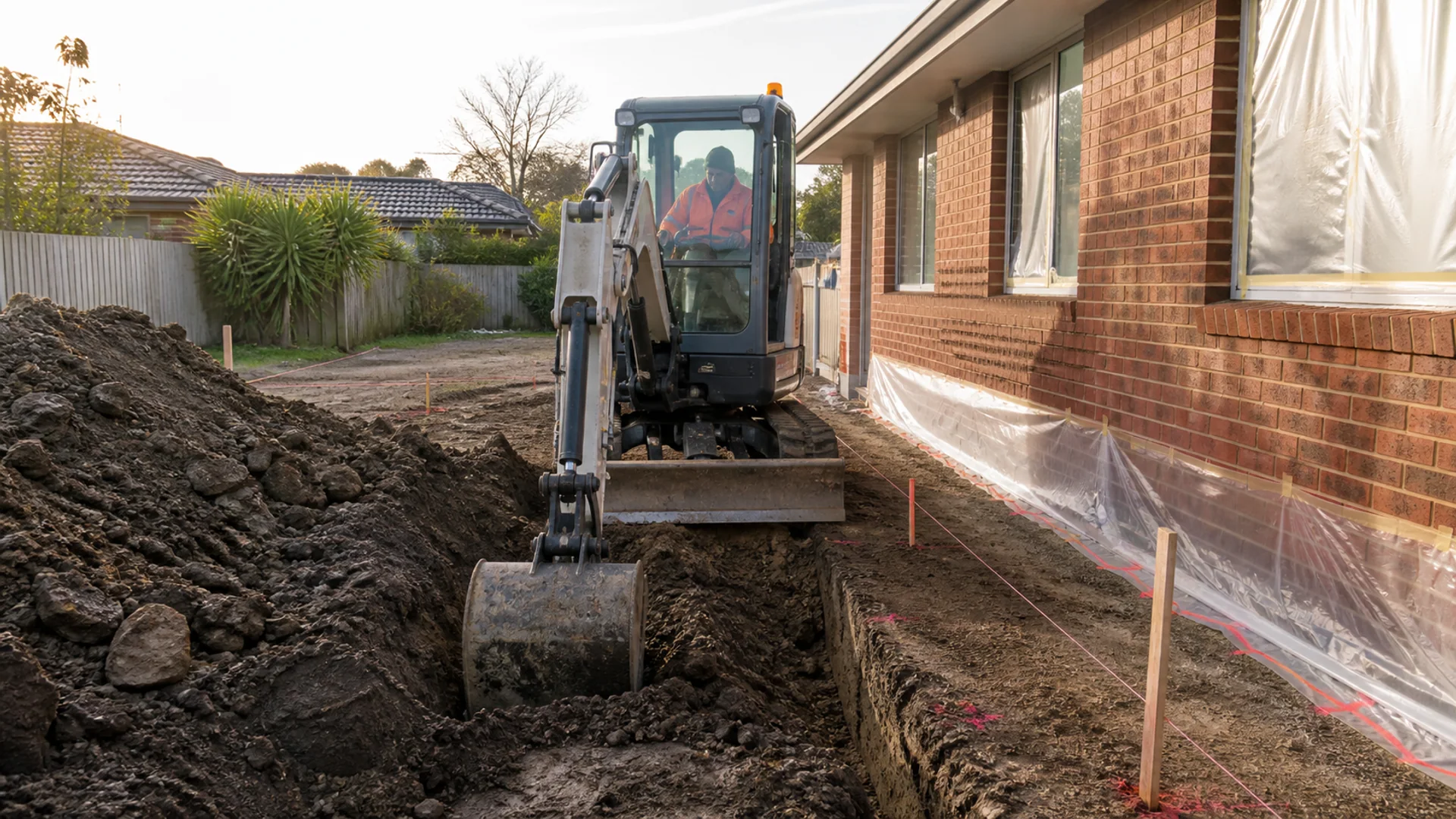
Prepare driveways, slabs, footings and drainage with access, spoil, depth and final levels established first.
View service →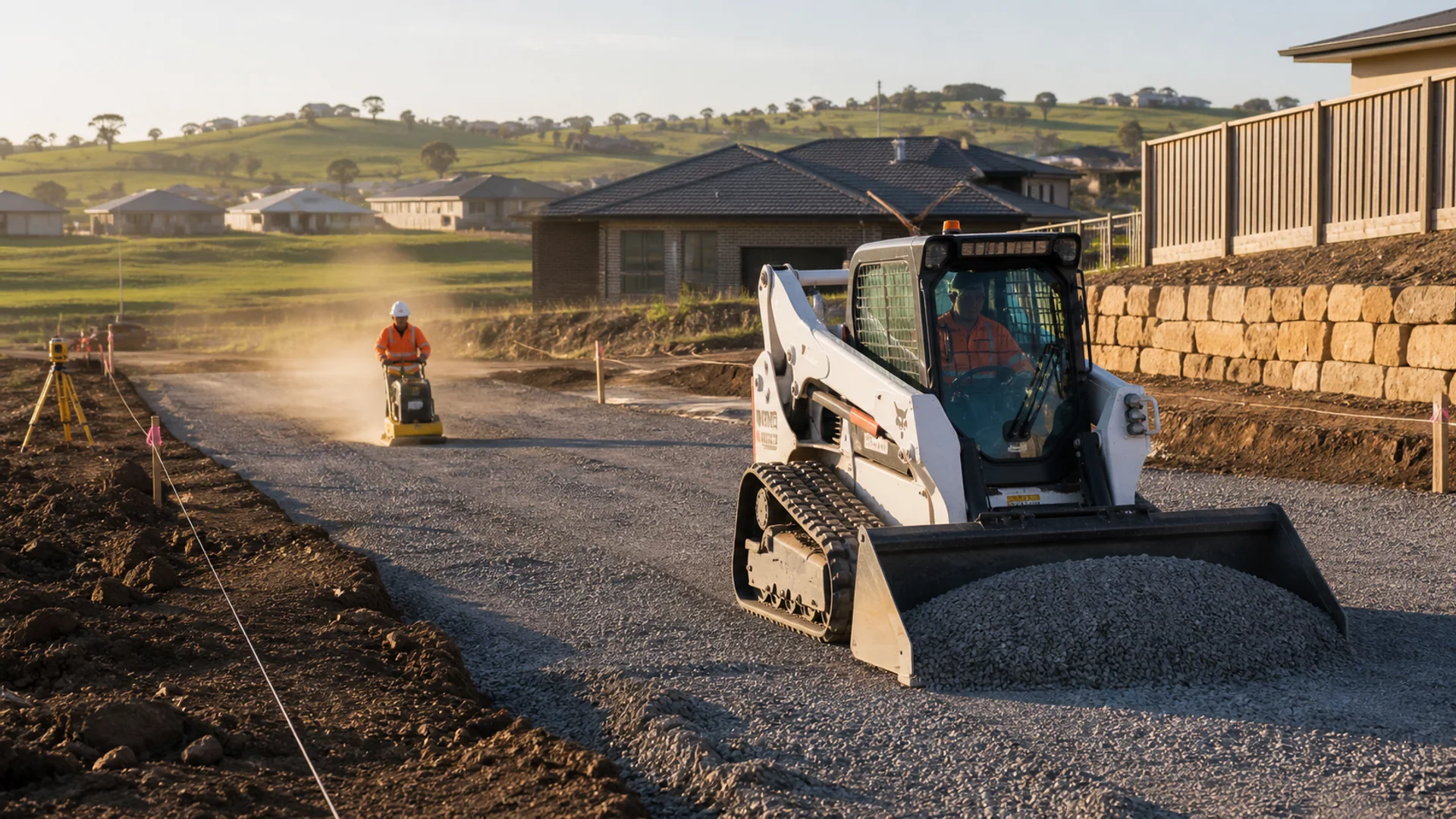
Project Overview
Large-scale site development requires more than just heavy machinery — it takes experience, planning, and the right approach to land conditions. Our earthworks Sunshine Coast team manages everything from bulk earthmoving to site grading and land preparation for residential and commercial developments.
We work closely with builders, developers, and property owners to understand project requirements before a single machine moves onto site. That means factoring in drainage, soil stability, and access constraints from the outset, rather than adjusting plans mid-project.
Our crew brings the equipment and expertise needed to handle projects of any scale, from smaller residential blocks to larger civil and commercial sites. Every job is approached with safety and efficiency in mind, so your project stays on track.
When your development depends on solid groundwork, our earthworks team delivers results you can build on.
What We Do
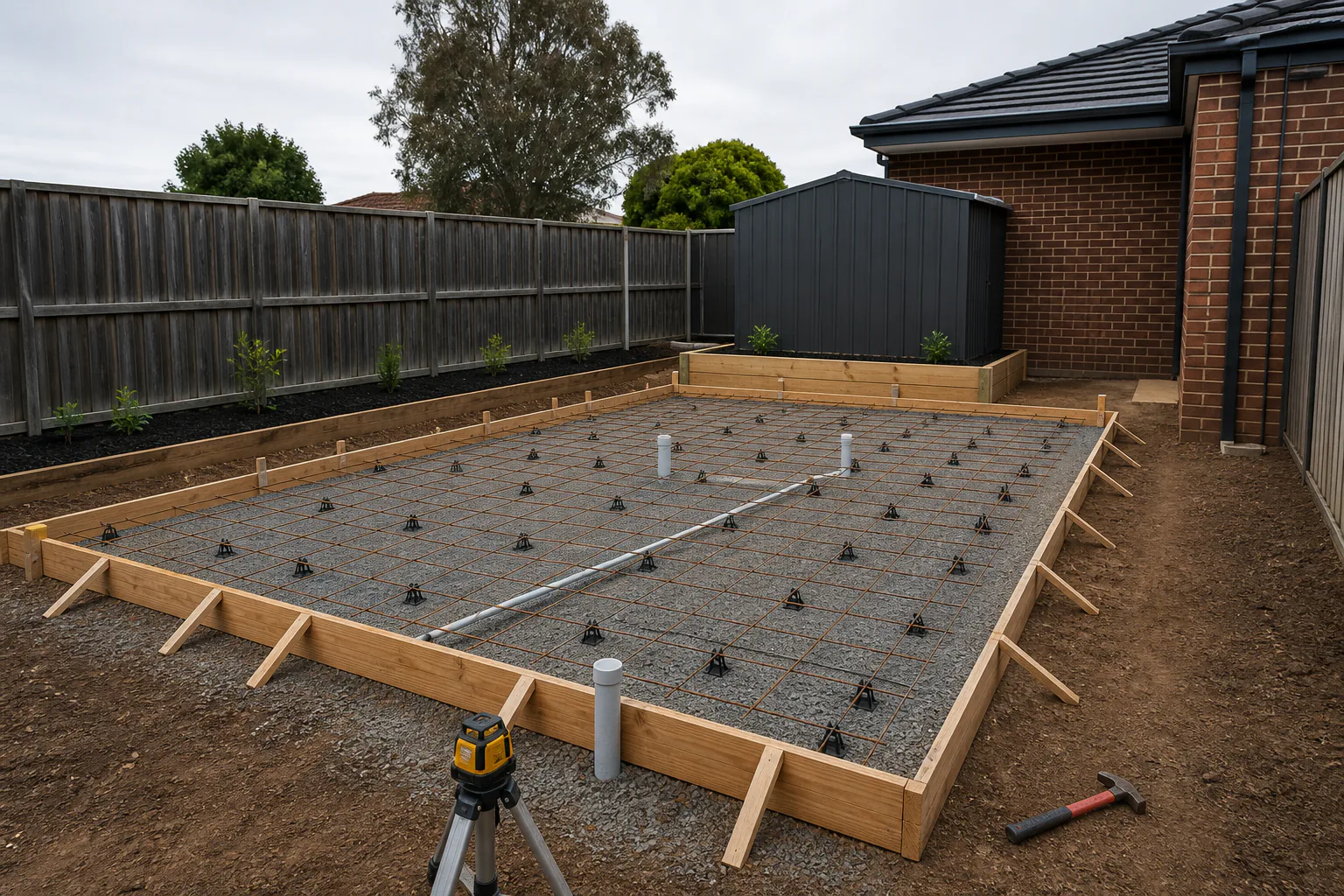
The two things that matter throughout are levels and compaction. Levels because everything downstream, from slab heights to how water leaves the property, is set by them, so we work to the survey or the engineering drawings and check as we go rather than at the end. Compaction because uncompacted or poorly moisture-conditioned fill will settle under load, and a slab sitting on it will move with it. Fill goes down in layers and gets compacted in layers, not dumped and rolled once on top.
Drainage gets designed in rather than dealt with afterwards. On Sunshine Coast blocks it is the steady soaking of a wet summer, punctuated by intense storms, that finds every flaw in a site shape, so we make sure water has somewhere to go before we walk away, whether that is a graded fall away from the pad, a swale or a connection into stormwater.
Working With Us
We do it the slower way: work to the levels rather than by eye, condition and compact fill in layers, test as we go, and confirm the finished surface actually holds the falls it is supposed to. If the cut to fill balance on your site means importing material or carting spoil off, you will hear the real number at quote stage rather than as a variation once the machines are there.
We are also willing to say when a site needs more than earthworks. Some slopes need retaining rather than batters, some fill depths need engineering input, and some blocks need a geotechnical opinion before anyone commits to a pad level. Flagging that early costs you a conversation. Finding out later costs considerably more.
Plant And Materials
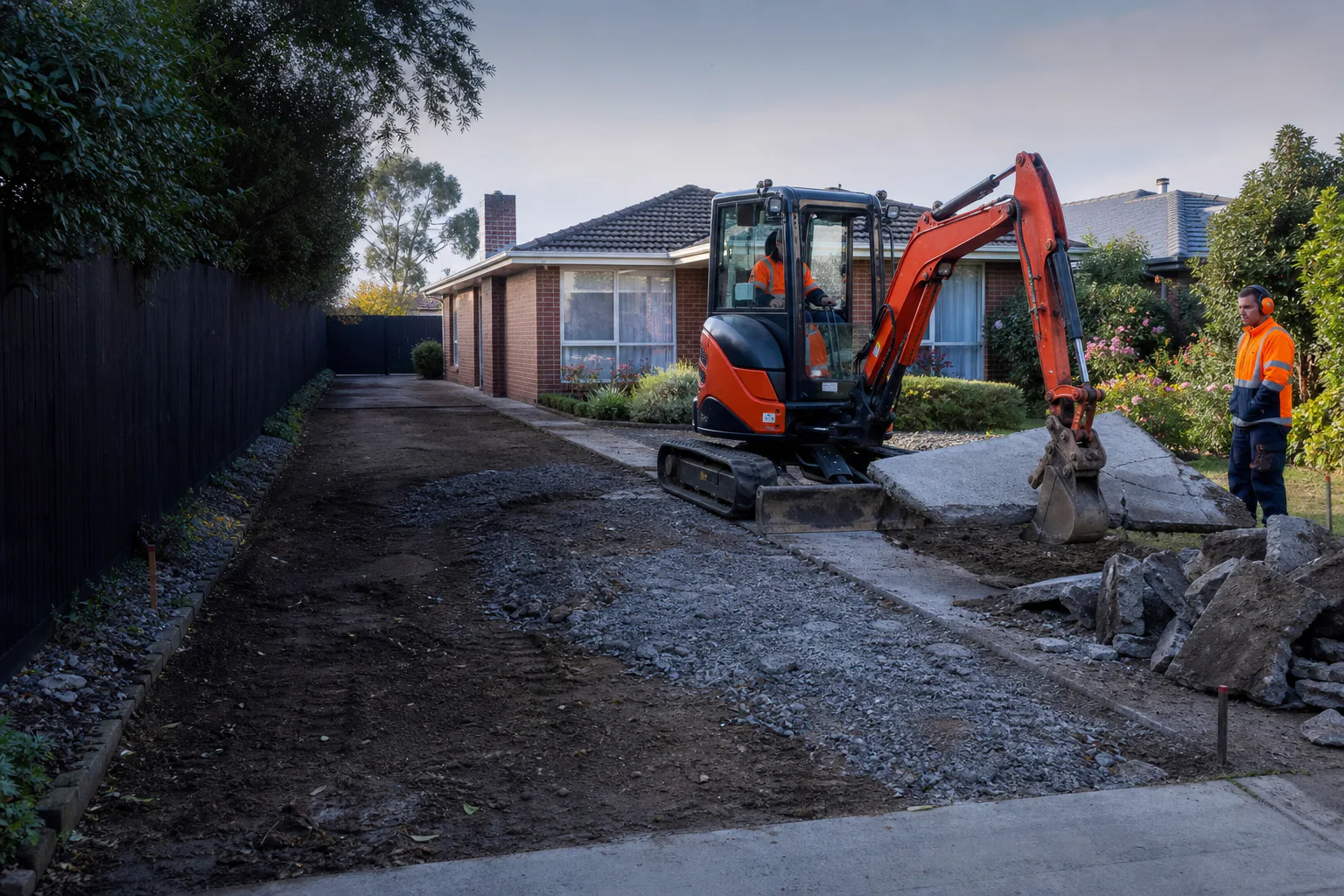
Alongside the excavator, skid steers and tracked loaders do the spreading, trimming and material handling, with tracked machines earning their place on soft or freshly filled ground where wheels would rut it up. Tipper trucks move spoil out and base material in, plate compactors and vibrating rollers handle compaction at the scale required, and laser levels and grade control keep finished surfaces honest instead of approximate. Augers, rock breakers and rippers get added when the ground demands them.
On materials, we work with recycled and quarried road base for driveways and slab bases, crusher dust for bedding and trimming to level, drainage aggregate behind walls and in trenches, clean fill for building up low areas, and topsoil for finishing off. Where we can, we prefer recycled crushed concrete for base and fill, because it performs well for the purpose and keeps material out of landfill. Tell us the site, the levels you need and how a truck gets in, and we will set out the plant and materials the job actually calls for.
Continue planning
Prepare driveways, slabs, footings and drainage with access, spoil, depth and final levels established first.
View service →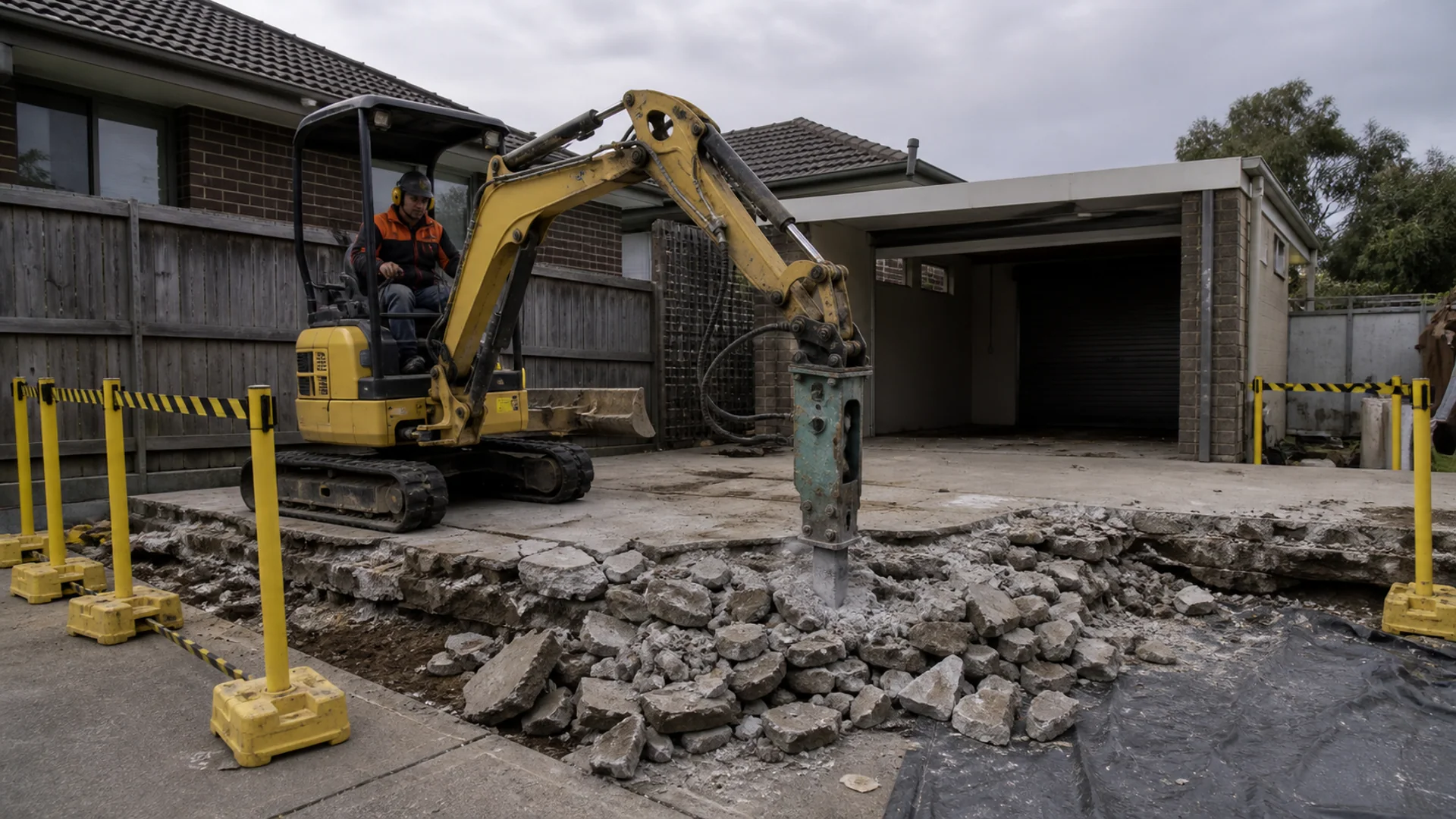
Plan controlled removal around access, neighbouring property, services, material handling and safe site boundaries.
View service →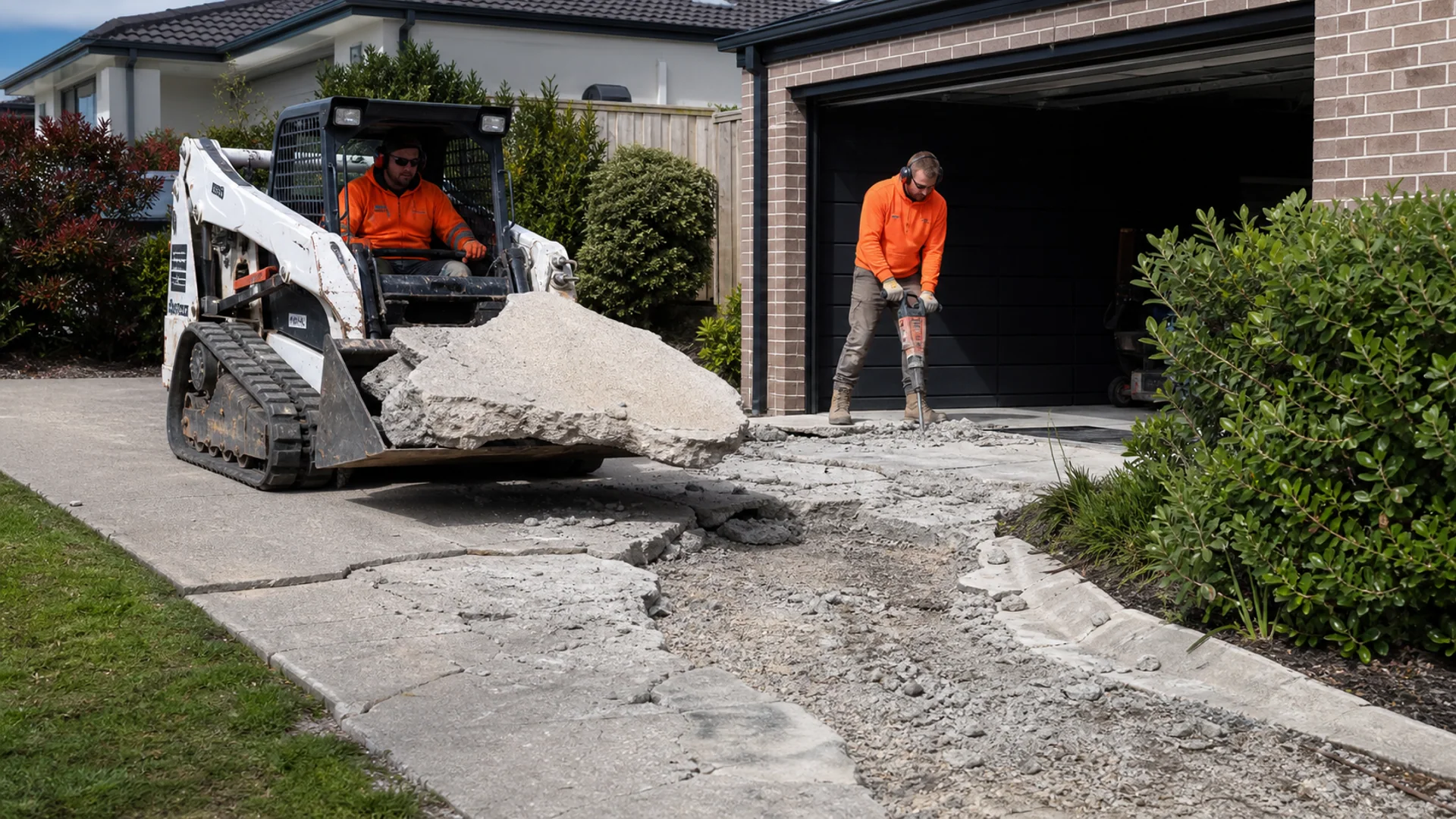
Break out and remove unwanted concrete while protecting nearby structures, landscaping and access routes.
View service →Plan the next step